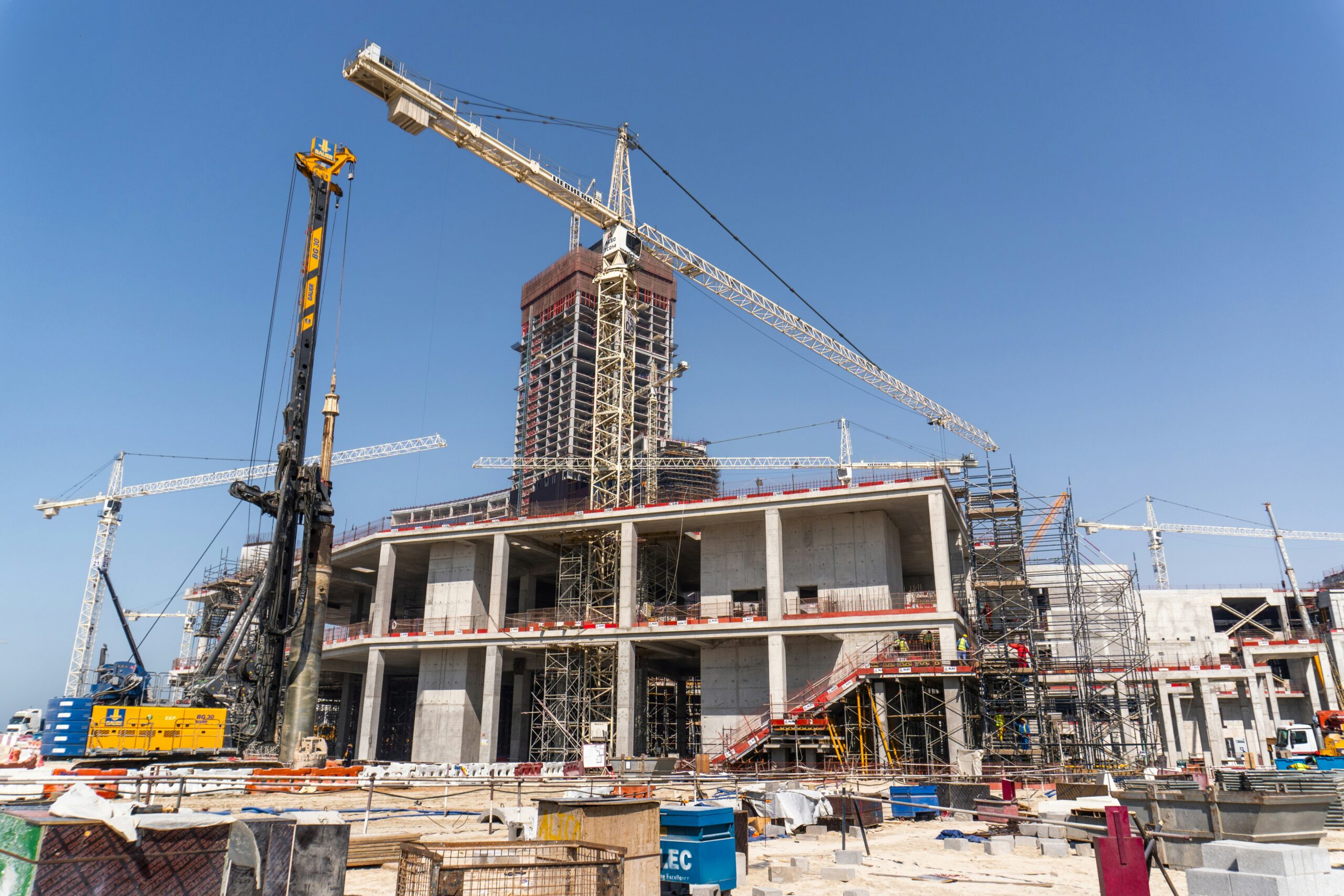
A commercial real estate property inspection should provide more than a snapshot of a building’s condition. For lenders, developers, investors, property owners, and asset managers, the right inspection provides actionable intelligence that can inform due diligence, underwriting, capital planning, negotiations, and long-term facility management.
Whether evaluating an office building, retail center, industrial facility, multi-family property, or another commercial asset, stakeholders need a clear understanding of the property condition and the financial implications of identified deficiencies. A thorough commercial real estate property inspection can uncover deferred maintenance, aging building systems, safety issues, and future capital needs before they become unexpected liabilities.
At CCDI, our approach goes beyond identifying deficiencies. We transform commercial property condition data into prioritized, trackable information that helps clients reduce risk, make informed decisions, and protect asset value over the near-, mid-, and long-term.
What Is Included in a Commercial Real Estate Property Inspection?
A commercial real estate property inspection is an on-site evaluation of a property’s physical condition, major systems, site improvements, and potential deficiencies.
Depending on the property and scope, a commercial property inspection may evaluate:
- Roofing and the building envelope
- HVAC and air conditioning systems
- Electrical systems
- Plumbing and other major building systems
- Fire safety systems
- Structural components
- Building interiors and exteriors
- Parking lots, sidewalks, and other site improvements
- Landscaping and drainage
- Accessibility considerations
- Visible safety hazards or code-related concerns
The inspection process may also include document review of maintenance records, previous inspection reports, construction documentation, and other available information that provides context about the building’s condition.
This combination of visual inspection, documentation, and technical expertise creates a more complete understanding of the asset.
What Should You Look for in a Commercial Property Inspector?
A qualified commercial property inspector should combine extensive construction knowledge with a disciplined, objective inspection process.
Commercial buildings are complex assets. Unlike residential inspections, a commercial building inspection may involve sophisticated HVAC systems, extensive electrical infrastructure, fire protection equipment, vertical transportation, large roofing systems, and other components with significant replacement costs.
When selecting inspection services, look for a provider with:
- Extensive commercial construction and inspection experience
- Knowledge of multiple property and asset types
- Consistent inspection procedures
- Clear, detailed reporting
- Reliable turnaround times
- Experience serving lenders and institutional stakeholders
- The ability to provide meaningful cost estimates
- Expertise that extends beyond the inspection itself
A commercial property inspector should also understand when an observed condition warrants additional evaluation by a structural engineer or another specialized professional.
How Do Property Condition Assessments Fit Into the Inspection Process?
Property Condition Assessments (PCAs) provide a structured evaluation of a commercial property’s physical condition to support due diligence and capital planning.
A PCA typically combines an on-site walk-through with document review and analysis of major building systems. The resulting Property Condition Report (PCR) identifies observed deficiencies, deferred maintenance, anticipated repairs, and potential capital expenditures.
For lenders, developers, investors, and property owners, PCAs can provide valuable insight during:
- Property acquisitions
- Refinancing
- Underwriting
- Portfolio evaluations
- Capital planning
- Renovation or redevelopment planning
A property condition assessment is not an appraisal. An appraisal focuses primarily on valuation, while a PCA evaluates the physical condition of the property and its systems. Used together with other due diligence tools, these resources can provide stakeholders with a more comprehensive understanding of an asset.
Why Does Deferred Maintenance Matter?
Deferred maintenance matters because today’s postponed repair can become tomorrow’s larger capital expense or operational disruption.
A commercial property may appear well maintained during a basic walk-through while still carrying significant future liabilities. Aging roofing, deteriorating facades, outdated electrical systems, inefficient HVAC equipment, or deficiencies in fire safety systems may require substantial investment.
Understanding those conditions allows stakeholders to distinguish between:
- Immediate or critical repairs
- Near-term capital needs
- Mid-term asset preservation priorities
- Long-term replacement requirements
That distinction is important. A long list of findings without prioritization can create more questions than answers. A useful inspection report should help stakeholders understand not only what was observed, but also what deserves attention first.
How Can an Inspection Support Better Due Diligence?
A commercial real estate property inspection supports due diligence by giving stakeholders objective information about the physical condition and potential financial obligations associated with an asset.
Before a transaction closes, inspection findings can help lenders, buyers, and investors identify conditions that may affect pricing, negotiations, financing, insurance requirements, planned upgrades, or return on investment.
The process may reveal:
- Significant deferred maintenance
- Near-term replacement needs
- Potential safety hazards
- Building envelope concerns
- Aging mechanical or electrical systems
- Fire protection deficiencies
- Areas requiring further specialist review
- Potential capital expenditures that should be incorporated into financial planning
This information gives decision-makers greater visibility into the property they are acquiring, financing, or managing.
What Makes a Property Condition Report Useful?
A useful property condition report turns technical findings into information stakeholders can understand, prioritize, and act upon.
Commercial building inspectors can document hundreds of individual observations during a site inspection. For an owner, lender, or asset manager, however, the real question is: What does this mean for the asset?
Effective reporting should clearly communicate:
- Current commercial property condition
- Significant deficiencies
- Recommended repairs or upgrades
- Estimated costs when applicable
- Relative urgency
- Remaining useful life of major systems
- Potential operational or financial risks
At CCDI, this is where we believe the value of the commercial property inspection expands considerably. Our objective is not simply to deliver another static inspection report. We help transform complex building information into a prioritized capital improvement roadmap that supports informed decision-making and long-term asset performance.
How Can Inspection Findings Support Capital Planning?
Commercial property inspection findings can support capital planning by identifying when major building systems are likely to require repair, replacement, or additional investment.
For property owners, property managers, lenders, and investors overseeing multiple assets, this information can become an important facility management tool.
Instead of responding to building failures as they occur, stakeholders can use property condition data to:
- Prioritize repair and replacement needs
- Forecast future capital expenditures
- Develop capital reserves
- Improve budgeting accuracy
- Plan upgrades strategically
- Reduce unexpected operational disruptions
- Extend the useful life of building systems
- Protect long-term asset value
This shifts the conversation from “What is wrong with this building?” to “What should we do next, when should we do it, and how should we plan for it?”
Beyond the Inspection: Turning Findings Into Action
The strongest commercial real estate property inspection partner should be able to support what happens after the report is delivered.
An inspection may identify a deteriorating building envelope, an HVAC system approaching the end of its useful life, or other major capital needs. Identifying the problem is only the first step.
CCDI can continue supporting clients as identified needs move toward implementation, including assistance with:
- Engineering scopes and design plans
- Coordination with architects and specialty consultants
- Repair and rehabilitation bid packages
- RFP development and contractor solicitation
- Bid leveling and proposal analysis
- General contractor evaluation
- Construction budget and schedule review
- Quality oversight and risk mitigation
This continuity allows stakeholders to move from property inspection and capital planning into procurement and project execution with greater transparency and control.
Choose an Inspection Partner That Looks Beyond the Report
A commercial real estate property inspection should answer more than whether a building is in good or poor condition. It should provide the insight needed to understand risk, prioritize capital needs, and make better decisions about the asset.
In short, look for an inspection partner that combines experienced on-site evaluation, thorough document review, clear reporting, meaningful cost information, and the ability to support implementation when repairs or capital improvements are needed.
CCDI provides nationwide Commercial Real Estate Risk Reduction services designed to help lenders, owners, investors, developers, and asset managers understand property conditions and turn those findings into actionable strategies.
Contact CCDI to learn more about our commercial property inspection services, Property Condition Assessments, and comprehensive approach to commercial real estate risk reduction.